Recycling and Sustainability for Landscaping Sydenham
 At Landscaping Sydenham, sustainability is built into the way every project is planned, delivered, and maintained. From the first site visit to the final green waste load, our aim is to keep materials in use for as long as possible, reduce unnecessary landfill, and support a cleaner local environment. We work with a clear recycling percentage target of 85% for recoverable site waste, measured across green waste, soil, timber, metal, plastic, cardboard, and reusable hard landscaping materials. This target helps guide day-to-day decisions and encourages a smarter approach to sorting, lifting, and transport. In practical terms, that means separating waste streams early, keeping contamination low, and prioritising reuse wherever possible. Our approach to recycling in Sydenham is shaped by local borough expectations around source separation, with an emphasis on placing the right waste into the right stream before it ever leaves site.
Landscaping work can generate a surprising variety of materials, and a responsible Sydenham landscaping service must handle each one carefully. Soil from planting beds may be screened and reused on other parts of a project, while branches, hedge trimmings, and grass cuttings are diverted into green recycling routes. Broken paving, concrete, and brick are separated for aggregate recovery where possible, and untreated timber can often be sent for recycling rather than disposal. Even packaging from plants, mulch, and turf is assessed for easy recovery. By focusing on these small but important actions, Landscaping Sydenham reduces waste at source and supports a circular approach to local outdoor projects.
 We also recognise the role of local infrastructure in making sustainable landscaping work well. Materials are sorted for collection and transport to nearby transfer stations and recycling facilities serving the area, including borough-linked waste sites used across South East London. These transfer stations are important for handling mixed green waste, inert spoil, and recyclable construction materials in a controlled way. Where local borough systems encourage separation of garden waste from general refuse, our teams follow that principle on site by preparing loads in a way that supports efficient processing. This can include separate handling for organic arisings, rubble, and clean metal, helping to reduce contamination and improve the value of recovered materials.
How Sustainability Shapes Our Landscaping Work
Every sustainable decision begins with planning. Before work starts, we consider what can be retained, repurposed, recycled, or donated. This might mean salvaging existing edging stones, reusing healthy topsoil, or setting aside surplus slabs for future repairs. It also means choosing materials with lower embodied carbon when replacements are needed. In the context of landscaping in Sydenham, that could include locally sourced mulch, responsibly certified timber, or planting materials selected for durability and biodiversity value. The result is a landscape that performs better over time and creates less waste at every stage.
Another important part of the process is training. Our teams are instructed to identify recyclable loads quickly and to keep contamination to a minimum. Mixed waste is harder to process and less likely to be recovered, so clear separation matters. We also work with a careful hierarchy: reuse first, then recycle, then dispose only when necessary. That hierarchy is especially useful for common landscaping materials such as soil, turf, leaves, offcuts, and metal fixings. By making this part of our routine, our Landscaping Sydenham operations support the borough’s wider environmental goals without adding complexity for clients.
The local area benefits when waste is treated as a resource rather than a burden. Gardens, courtyards, and communal spaces across the borough often create seasonal peaks in organic waste, especially after pruning or planting cycles. Our recycling systems help respond to those peaks by ensuring green waste is directed to appropriate recovery facilities. In addition, we make careful distinctions between recyclable hard materials and contaminated debris, so that each stream can be processed efficiently. This practical approach supports cleaner sites and strengthens the link between sustainable landscaping and local waste recovery.
Partnerships, Vehicles, and Low-Carbon Operations
 Sustainability is not only about what leaves the site; it is also about how it gets there. That is why our fleet includes low-carbon vans designed to reduce emissions on local journeys. These vehicles help lower our transport footprint on routine visits, material deliveries, and waste runs, especially in a borough environment where short trips can quickly add up over the year. We also use route planning to reduce idling and unnecessary mileage, making the whole operation more efficient. For a service like Sydenham landscaping, where projects often involve multiple stops and varied loads, that efficiency is a meaningful part of our environmental commitment.
We also support local charities and community reuse efforts by donating suitable items whenever possible. Healthy plants, usable garden accessories, timber offcuts, and surplus materials may be passed on to organisations that can make use of them in community gardens, training spaces, or charitable projects. Where safe and practical, we work to keep materials in circulation rather than sending them straight to waste processing. These partnerships with charities help extend the life of useful materials and support wider social value, which is an important part of responsible recycling for landscaping in Sydenham.
Our recycling approach also reflects the realities of borough waste systems, where garden waste, mixed recyclables, and residual rubbish are often handled through different collection and processing routes. By preparing materials in line with those separation principles, we help ensure that green waste, clean aggregates, and metal components can be recovered more effectively. In a local area like Sydenham, that means thinking carefully about every load: what can be reused on site, what can be recycled through local facilities, and what should be kept out of the general waste stream. This is how a modern Landscaping Sydenham service can remain both practical and environmentally responsible.
A Cleaner Future for Local Landscapes
 Our sustainability commitments are ongoing, not one-off promises. We review waste performance regularly against our 85% recycling target and look for new ways to improve recovery rates. That might include better sorting, stronger reuse planning, or more careful scheduling to maximise efficient collections. We also keep an eye on new recycling opportunities for landscaping materials as local processing facilities evolve. The aim is simple: create attractive outdoor spaces while reducing carbon impact and protecting local resources.
For clients across the area, this means choosing a landscaping service that values the environment as much as the finished result. Whether the project involves planting, clearance, resurfacing, or ongoing maintenance, sustainability remains central. By combining local transfer station use, charitable partnerships, and low-carbon transport, Landscaping Sydenham supports greener outcomes at every stage. It is a practical model for responsible work, one that matches the borough’s broader focus on waste separation, recycling recovery, and community benefit.
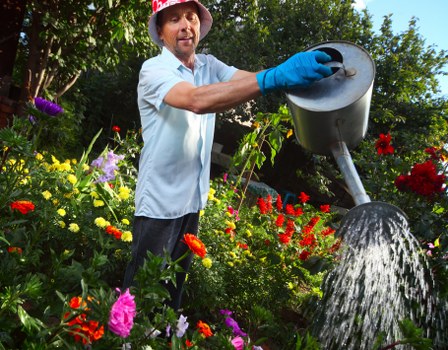 Looking ahead, we will continue refining how materials are handled, how loads are sorted, and how resources are reused. From green waste recycling to the recovery of hard landscaping materials, every step matters. The more carefully we manage waste, the more value we preserve for gardens, clients, and the wider community. That is the future of landscaping in Sydenham: lower emissions, stronger recycling, and outdoor spaces created with sustainability in mind.